

Red casino games
Introduction
I look at a casino’s Games section a little differently from a casual visitor. A long list of titles can look impressive on the surface, but that alone tells me very little. What matters in practice is whether the library at 1 red casino is easy to navigate, whether the categories make sense, how much repetition sits behind the headline numbers, and how quickly a player can move from browsing to actually finding something worth opening.
That is the right way to assess 1 red casino Games for an Australian audience. A useful gaming hub is not just about having slots, live dealer tables, jackpots, and table classics on the homepage. It is about how those sections are organised, whether providers are varied enough to avoid a “same mechanics in different skins” problem, and whether the platform helps users compare options without wasting time.
In this review, I am focusing strictly on the gaming side of 1 red casino: the structure of the library, the main categories, the practical search experience, the role of software providers, and the weak points that can affect day-to-day use. I am not treating this as a full casino review. The goal here is more specific: to show what the Games section actually offers, how usable it feels, and whether its variety translates into real value rather than just visual scale.
What players can usually find inside the 1 red casino Games section
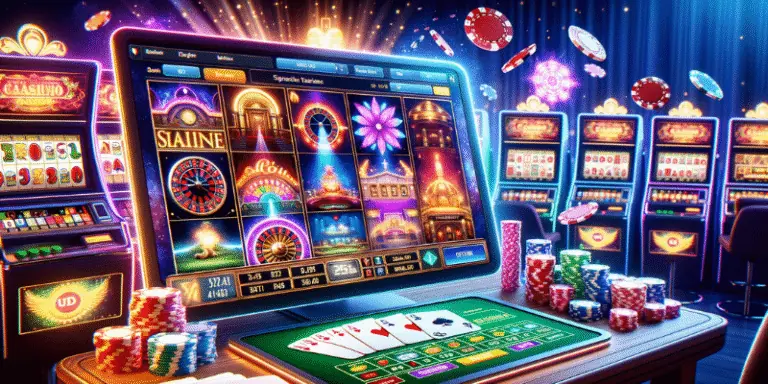
The core of the 1 red casino library is typically built around several major formats that most players expect from a modern online platform. In practical terms, that means a strong slot selection, a separate live casino area, standard table titles, and at least some form of jackpot or featured games segment. Depending on how the site is updated over time, users may also see crash-style titles, instant win formats, or branded sections tied to specific software studios.
For most people, slots will be the largest part of the offering. That is normal, but the important question is not simply how many reel-based titles appear on the site. The more useful question is whether the slot range covers different volatility profiles, Red Casino bonus help structures, themes, and RTP levels, so players are not choosing between twenty versions of essentially the same experience. A broad slot section only becomes valuable when it supports different playing styles: low-stakes spinning, feature hunting, bonus buy preferences where allowed, or longer sessions with lower variance.
Live dealer content tends to be the second most important area for users who want a more social or table-focused experience. At 1 red casino, this category matters because it often reveals how seriously the platform treats game diversity beyond slots. If the live section includes Red Casino roulette guide for players comparing casino options variants, blackjack tables, baccarat, game shows, and multiple betting limits, that is a sign of practical depth. If it is limited to a narrow set of repeated tables from one provider, the category exists, but its usefulness drops quickly.
Classic table titles usually sit between those two extremes. They may not be the headline attraction, but they are still essential for players who prefer RNG blackjack, roulette, baccarat, poker variants, or faster loading games without a live stream. These titles are also important for users on weaker connections, because they tend to load faster and run more smoothly than live dealer rooms.
Then there is the jackpot segment. This area can be genuinely attractive, but it often creates the biggest gap between marketing appeal and real player value. A progressive jackpot category looks exciting, yet in practice it may contain a relatively small number of truly active titles or games with high volatility that do not suit every bankroll. That does not make the section bad; it simply means players should understand that “jackpot games” are a format with a specific risk profile, not a shortcut to better value.
How the gaming hub is usually organised at 1 red casino
When I assess a Games page, I pay close attention to structure before I even consider individual titles. At 1 red casino, the practical quality of the section depends heavily on whether the platform separates content in a way that feels intuitive. A clean layout usually starts with featured rows such as popular picks, new releases, top-rated titles, and category shortcuts. That is useful for discovery, but only if it does not bury the actual navigation under too many promotional blocks.
The better version of this setup is one where the homepage of the Games area acts like a map. A player should be able to move quickly from “I want a slot” to “I want Megaways” or from “I want live roulette” to a provider or stake-specific table. If everything is pushed into one endless scroll, the library may still be large, but the user experience becomes passive. Instead of choosing deliberately, players are forced to browse by fatigue.
One thing I often notice with large online casinos is that the first screen gives a sense of abundance, while deeper browsing reveals a more repetitive picture. This is one of the most important points to check at 1 red casino. A library can look broad because it mixes new releases, hot games, recommended titles, and provider showcases, yet many of those rows may contain the same products repeated in different places. That kind of duplication is not unusual, but it affects how useful the section feels after the first visit.
A well-built gaming hub should also separate discovery from precision. Discovery tools help when a player wants inspiration; precision tools help when they already know what they want. The strongest casino interfaces balance both. If 1red casino leans too heavily toward featured carousels without enough filters and sorting options, the result may look polished but feel slower in everyday use.
Which game categories matter most and how they differ in practice
Not all categories serve the same purpose, and this is where many generic reviews stay too shallow. At 1 red casino, the difference between categories matters because each one suits a different type of session, budget, and expectation.
Slots are usually the broadest and most flexible option. They suit players who want variety, fast round speed, different volatility levels, and access to modern mechanics such as cascading reels, expanding wilds, multipliers, hold-and-win features, real money free spins, and bonus rounds. The slot area matters most for users who like frequent game switching and do not need a social element.
Live casino titles are more about atmosphere, presentation, and table authenticity. They are often the better fit for players who want real-time pacing, visible card dealing, a studio environment, and interaction through chat or host-led game flow. In practical terms, live products usually require more stable internet and more patience. They are less suitable for someone who wants quick, low-friction sessions.
RNG table games sit in a useful middle ground. They offer classic rules and familiar formats, but without the waiting time of a live table. This category is often underrated. For many users, especially those who know exactly what they want from blackjack or roulette, standard digital tables are more efficient than live rooms. They also tend to support shorter sessions and simpler bankroll control.
Jackpot titles are less about consistency and more about chasing rare upside. They can be exciting, but they should never be mistaken for a balanced everyday category. A player browsing this section at 1 red casino should check whether the jackpots are progressive, fixed, local, or network-based, and whether the game mechanics themselves are enjoyable enough even without the top prize.
Instant win or crash-style games, if present, introduce another rhythm entirely. These formats appeal to users who want fast outcomes and a more direct risk-reward cycle. They can be entertaining, but they also compress decisions into very short time frames. That makes them feel very different from long-form slot sessions or structured table play.
One memorable pattern I often see is this: players think they are choosing between genres, but in reality they are choosing between tempos. Fast, repetitive, strategic, immersive, social, high-volatility, low-friction — these are the real differences that shape the experience. That is exactly how the 1 red casino Games section should be judged.
Slots, live dealer rooms, tables, jackpots, and other formats at 1 red casino
If I break the 1 red casino Games section down by practical user interest, slots remain the anchor category. That is where most of the volume is likely to be, and it is also where provider diversity matters most. A healthy slot library should include classic fruit-machine style options, modern video slots, feature-heavy releases, high RTP picks where available, and titles with different stake ranges. For users in Australia, this matters because playing preferences vary widely: some want familiar, simple interfaces, while others chase bonus depth and cinematic presentation.
The live area should ideally cover more than a token set of tables. A strong version of the section includes roulette in multiple variants, blackjack tables with different seat rules or side bets, baccarat, poker-based live titles, and game-show products for players who prefer entertainment-driven formats. If only one or two live formats dominate the page, the category exists, but it is not truly broad.
Traditional table games are often less visible on casino homepages, yet they remain one of the most useful parts of any library. At 1 red casino, this category is worth checking carefully because it can reveal whether the platform caters only to slot-first users or also supports players who prefer classic mechanics. Roulette, blackjack, baccarat, sic bo, video poker, and specialty card titles all add practical depth when they are easy to find.
The jackpot section deserves a more cautious reading. Some casinos present jackpots as a major pillar while offering only a limited number of genuinely notable titles. Others do the opposite and hide strong progressive content behind generic slot pages. The real test at 1 red casino is whether jackpot products are clearly labelled and easy to separate from standard reel games. If not, users may struggle to know whether they are actually entering a progressive pool or simply playing a regular title with a marketing tag.
There may also be “new games,” “popular,” “recommended,” or “exclusive” sections. These can be useful, but I always treat them as editorial layers rather than true categories. They help with discovery, yet they do not replace a solid structure underneath. A well-designed platform uses these rows to highlight content, not to compensate for weak navigation.
Finding the right title: navigation, search, and practical browsing
The easiest way to judge the real quality of a gaming library is to ask a simple question: how fast can a player find a specific type of title without already knowing where it sits? This is where 1 red casino either proves its value or exposes its weak spots.
A strong search function should recognise exact game names, partial titles, and provider names. If a user types part of a slot’s name or searches for a studio, the system should respond accurately and quickly. Weak search bars are surprisingly common in online casinos. They return incomplete results, ignore spelling variations, or fail to distinguish between live and RNG versions of similar products. That can make a large library feel smaller than it is.
Filters are equally important. In a genuinely useful Games section, players should be able to narrow the view by category, provider, popularity, release date, or sometimes by features such as jackpots or bonus mechanics. Without filters, a huge library becomes a visual warehouse. It contains a lot, but it does not help the user make decisions.
Sorting tools matter more than many players realise. “Newest” helps users avoid seeing the same old favourites every time. “Popular” can be useful, but only if it reflects actual engagement rather than paid placement. Provider sorting is especially valuable for experienced players who already know which studios they trust. If 1 red casino offers provider-led browsing cleanly, it immediately improves the efficiency of the whole section.
One of the clearest signs of a mature interface is when I can move from broad discovery to narrow selection in three steps or fewer. If it takes several page loads, repeated scrolling, and trial-and-error searching just to isolate one type of game, the section may still be large, but it is not well optimised for regular use.
Why providers, mechanics, and software details deserve attention
Software providers shape the actual experience far more than many casual users think. At 1 red casino, checking the provider mix is one of the smartest ways to judge whether the Games section is genuinely diverse or simply padded with volume.
Different studios tend to specialise in different strengths. Some are known for volatile slots with elaborate bonus rounds. Others focus on cleaner interfaces, classic table products, or premium live dealer production. A library that draws from multiple respected providers usually gives players more meaningful variety in pacing, visual style, RTP profiles, and feature design.
What I look for is not just a long provider list, but a balanced one. If a platform relies too heavily on a single studio, the catalogue may start to feel repetitive even when the title count is high. Similar reel structures, repeated sound design, familiar bonus patterns — these things add up. That is one of the hidden weaknesses in many online casinos, and it is worth checking at 1 red casino before assuming the library is as broad as it first appears.
Mechanics also matter. Some users specifically look for Megaways, cluster pays, hold-and-spin systems, expanding reels, sticky wilds, or buy bonus features where permitted. Others care more about paylines, lower variance, or traditional three-reel formats. A useful gaming hub should let players identify those preferences without opening every title one by one.
Here is another observation that often separates better platforms from average ones: a truly good Games section helps users avoid bad matches. It does not just push popular titles; it helps a low-stakes player avoid a brutally volatile slot, and it helps a table-game regular avoid wasting time inside slot-heavy menus. That kind of practical clarity is more valuable than raw quantity.
Demo mode, favourites, filters, and other tools worth checking
Auxiliary tools can quietly determine whether a gaming hub feels efficient or frustrating. At 1 red casino, I would pay close attention to whether demo mode is available on a useful share of the library. Free-play access is not just a beginner feature. It helps experienced users test volatility, interface quality, feature frequency, and pacing before committing real money.
Not every title will necessarily support demo mode. Some live dealer products, certain jackpot games, or provider-restricted releases may only be available in real-money mode. That is normal. What matters is whether the platform makes this clear and whether enough of the slot and table range can be tried without friction.
A favourites or wishlist function is another small but meaningful feature. Large libraries become far easier to use when players can save titles instead of searching for them repeatedly. This is especially valuable for users who rotate between a handful of regular picks and occasional new releases.
Filters should ideally go beyond basic category labels. The more useful versions include provider, new releases, popularity, and sometimes special features or themes. Even when those options are limited, the presence of a clean filter panel can dramatically improve the usability of the entire section.
Some platforms also offer visible RTP information, volatility hints, or game tags. These are not universal, but when present, they improve decision-making. Without them, players often rely on guesswork or prior knowledge. If 1 red casino surfaces this information clearly, it adds real practical value. If not, users may need to do more external research than they should.
| Feature | Why it matters in practice | What to check at 1 red casino |
|---|---|---|
| Search bar | Helps find exact titles or providers quickly | Whether it recognises partial names and returns relevant results |
| Category filters | Reduces browsing time in a large library | Whether slots, live, tables, jackpots, and niche formats are clearly separated |
| Provider sorting | Useful for experienced players with studio preferences | Whether providers are easy to browse without endless scrolling |
| Demo mode | Lets users test titles before wagering | How widely it is available across slots and tables |
| Favourites | Makes repeat visits more efficient | Whether saved titles are easy to access from the Games area |
How smooth the actual game launch process feels
Browsing is only half the story. The real test comes when a player clicks into a title. At 1 red casino, the launch experience should be judged on speed, stability, and clarity. A game should open without confusing redirects, excessive loading delays, or repeated prompts that interrupt the flow.
In practical terms, users should watch for three things. First, how quickly do standard slots open compared with live dealer rooms? Second, does the platform clearly show whether a title is entering demo or real-money mode? Third, does moving back to the library feel seamless, or does the site force the user to start browsing from scratch?
Live casino sessions are often the hardest test because they involve streaming, table availability, and studio-side delays. If the live area at 1 red casino loads slowly or feels inconsistent, that can reduce the usefulness of the category even if the selection looks good on paper. A polished live page should display table limits, seat availability where relevant, and enough information to help players choose before entering.
Standard digital titles should feel lighter and faster. If even basic slots take too long to open, the issue may not be the number of games but the efficiency of the platform itself. That is one of those details players only notice after a few sessions, yet it strongly shapes long-term satisfaction.
One surprisingly important detail is return flow. Strong platforms let users close a title and land back where they were in the library, not at the top of the page. It sounds minor, but in a large collection it saves a lot of time. Poor return flow is one of the quiet reasons why some casinos feel more tiring than they should.
Limitations and weak points that can reduce the value of the Games area
No Games section is perfect, and 1 red casino should be judged with a realistic eye. The first possible weakness is content repetition. A platform may advertise a broad range, but once users browse beyond the first few rows, they may find the same high-visibility titles repeated under “popular,” “featured,” “recommended,” and provider banners. That creates the appearance of abundance without adding real choice.
The second issue is uneven depth between categories. A casino can look strong overall while still being heavily slot-centric. If live dealer, table classics, or jackpot content exist only as secondary add-ons, players who prefer those formats may not find enough depth for regular use.
Search and filtering can also become a bottleneck. Even a good library loses practical value if users cannot narrow it efficiently. This is especially relevant for experienced players who want to browse by provider or mechanic rather than by homepage promotion.
Another limitation to watch is incomplete game information. If RTP, volatility, jackpot status, or provider details are hidden or inconsistent, users are left making decisions with limited context. That may not matter for casual browsing, but it matters a great deal for players who approach game choice strategically.
There is also the issue of regional or account-based variation. Some titles may appear in one view of the site and not another, or certain providers may have restricted availability. For Australian users, this is worth checking in practice rather than assuming every visible title will always be accessible under the same conditions.
The final weak point is simple overload. A large online casino can become harder to use as more content is added. Without disciplined curation, the Games section stops feeling rich and starts feeling noisy. That is the paradox of many modern libraries: more titles do not automatically mean a better experience.
Who the 1 red casino game library is likely to suit best
From a practical standpoint, the 1 red casino Games section is likely to suit players who want range first and are comfortable exploring a multi-category environment. Slot users who enjoy trying different themes, mechanics, and providers will probably get the most out of it, especially if the platform maintains a steady stream of new releases.
It should also appeal to users who like mixing formats within the same session — for example, moving from reels to blackjack, then into live roulette, then back to a jackpot title. A library built around that kind of movement becomes more useful when the navigation is strong and the return flow is smooth.
Players who may need to be more selective are those with narrow preferences. If someone only wants a deep live casino environment or primarily plays classic table titles, they should check that those categories are not just present, but properly developed. Presence and depth are not the same thing.
For newer users, the section can be convenient if demo mode, featured rows, and clear categories are available. For more experienced players, the deciding factor will be provider quality, search efficiency, and whether the site supports informed choice rather than random browsing.
Practical tips before choosing games at 1 red casino
Before using the 1 red casino Games section regularly, I would suggest a few simple checks that save time later.
- Test the search function early. Look for one exact title, one provider, and one broad category. This tells you quickly how intelligent the navigation really is.
- Compare depth, not just labels. Do not assume that a visible live or jackpot tab means the section is substantial. Open it and see how much real variety is inside.
- Use demo mode where possible. This is the fastest way to assess whether a slot’s volatility or pace suits your style.
- Check provider spread. A healthy mix of studios usually means better long-term variety and less repetition.
- Notice how the site behaves after closing a title. If the return flow is clumsy, long browsing sessions will become more frustrating than they need to be.
- Do not confuse “featured” with “best.” Promoted rows are useful for discovery, but they are not a substitute for independent selection.
If I had to reduce it to one practical rule, it would be this: judge the section after ten minutes of active use, not after thirty seconds on the homepage. That is usually when the real strengths and weaknesses of a casino library become obvious.
Final verdict on 1 red casino Games
The 1 red casino Games section has the potential to be genuinely useful if what you want is a broad, multi-format gaming hub rather than a narrow specialist platform. Its core value lies in category coverage: slots as the main engine, live dealer content as a second pillar, classic table products for faster and simpler sessions, and jackpot-style options for players who actively seek higher-risk formats.
The strongest side of the section is likely to be breadth, especially for users who enjoy switching between different game types and exploring multiple providers. The practical upside becomes even clearer if search, filters, and provider sorting are handled well. When those tools work properly, a large library feels flexible instead of overwhelming.
The caution point is just as important. A big catalogue does not always equal a better one. Repeated titles across promotional rows, uneven depth between categories, limited game information, or weak filtering can all reduce the real value of the Games area. In other words, the difference between a large selection and a useful selection matters a lot here.
My final assessment is straightforward: 1 red casino is best suited to players who want variety and are willing to explore, but it should be checked carefully by anyone with specific preferences in live casino, classic tables, or jackpot content. Before using the section regularly, verify how strong the search tools are, how broad the provider mix feels after deeper browsing, whether demo mode is available on enough titles, and whether the platform stays smooth when moving between categories. If those elements hold up, the gaming hub can be more than just visually large — it can be practically worthwhile.
FAQ
How does a player launch a real-money slot or live casino table from the game lobby?
Select the game tile in the lobby, choose Real money play, then confirm the table or slot launch in the player window.
What is the difference between online slots and live casino in the lobby?
Online slots run instantly as game simulations, while live casino tables stream a live dealer.
Does Red require casino login to start real-money play?
Real-money play generally requires an account login to access your session and any account-linked promotions.
If a player can open demo mode but real-money play is blocked, which account conditions should be checked?
Verify that the account is fully active and that any required age and identity checks are completed. If deposits or withdrawals are restricted on the account, real-money launches may also be affected.
What should players do if their current mirror view is not loading and a working mirror is needed for the game lobby?
If the lobby does not load properly, try a different mirror option listed in the site access area. Keep the same game category selection after switching, then relaunch the slot or live table in the player window.
Where do promo codes or other game-related offers connect in the flow, and what should be confirmed before deposit and play?
Promo codes and offer activation are typically linked to the cashier or promo area steps before a real-money session. Confirm the offer status after login, then proceed with deposit and launch the selected game from the lobby to ensure the selected mode is active. If something does not match the expected offer, check the game eligibility and the required activation step.